Homemade Ramen
Highlighted under: International Table Stories
Experience the joy of making your own ramen at home with this simple yet flavorful recipe.
Making ramen from scratch allows you to customize flavors and ingredients to your liking. This homemade ramen is hearty, satisfying, and perfect for any occasion.
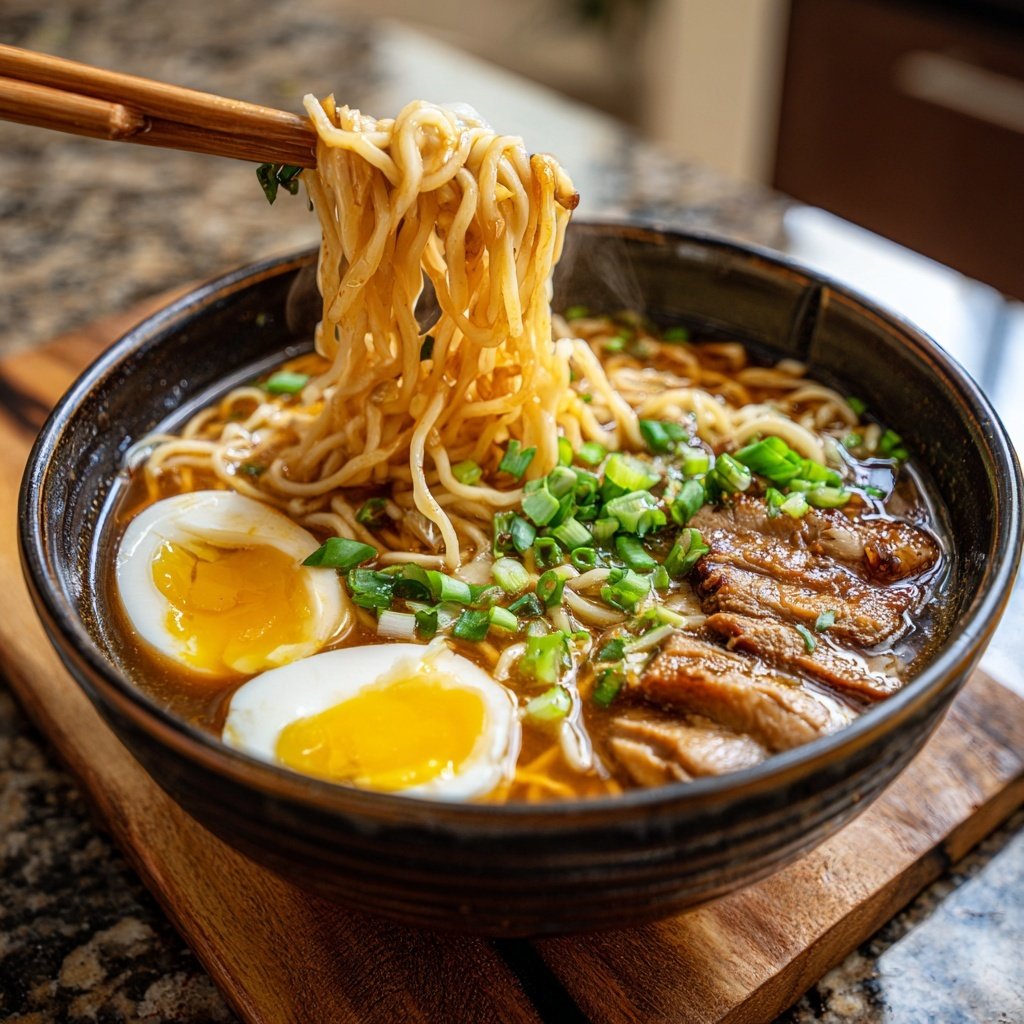
Why You Will Love This Recipe
- Rich and savory broth that warms the soul
- Fresh ingredients that elevate the dish
- Customizable toppings for a unique flavor experience
The Art of Ramen Making
Ramen is more than just a bowl of noodles; it's an experience steeped in tradition and flavor. Making your own ramen allows you to connect with this culinary art, providing a sense of accomplishment with each step. From simmering the broth to selecting the perfect toppings, each element contributes to the overall harmony of the dish. This homemade version captures the essence of authentic ramen while allowing you to customize it to your taste.
The beauty of ramen lies in its versatility. You can experiment with different broths, noodle types, and toppings, making it a perfect dish for any occasion. Whether you prefer a rich, meaty broth or a lighter vegetarian option, this recipe serves as a solid foundation that you can adapt as you like. Embrace the creativity of ramen-making and let your taste buds guide you!
Choosing the Right Ingredients
The quality of your ramen starts with the ingredients you choose. Opting for fresh, high-quality components can elevate your homemade ramen to new heights. For the broth, using a good chicken or vegetable stock is crucial as it forms the base of your dish. Miso paste and soy sauce add depth and umami, giving the broth its rich flavor profile.
When it comes to toppings, the sky's the limit! Fresh vegetables like bok choy add a delightful crunch, while a perfectly soft-boiled egg gives a creamy texture. Don’t forget about the garnishes; green onions and sesame seeds not only enhance the visual appeal but also add layers of flavor. Consider incorporating your favorite proteins or experimenting with different herbs to make the dish uniquely yours.
Tips for Perfecting Your Ramen
To achieve the perfect ramen, timing is everything. Make sure to prepare the broth first and allow it ample time to simmer and develop flavors. While the broth is cooking, you can multitask by preparing your noodles and toppings. This ensures that everything is ready to serve at the same time, guaranteeing a hot and delicious meal.
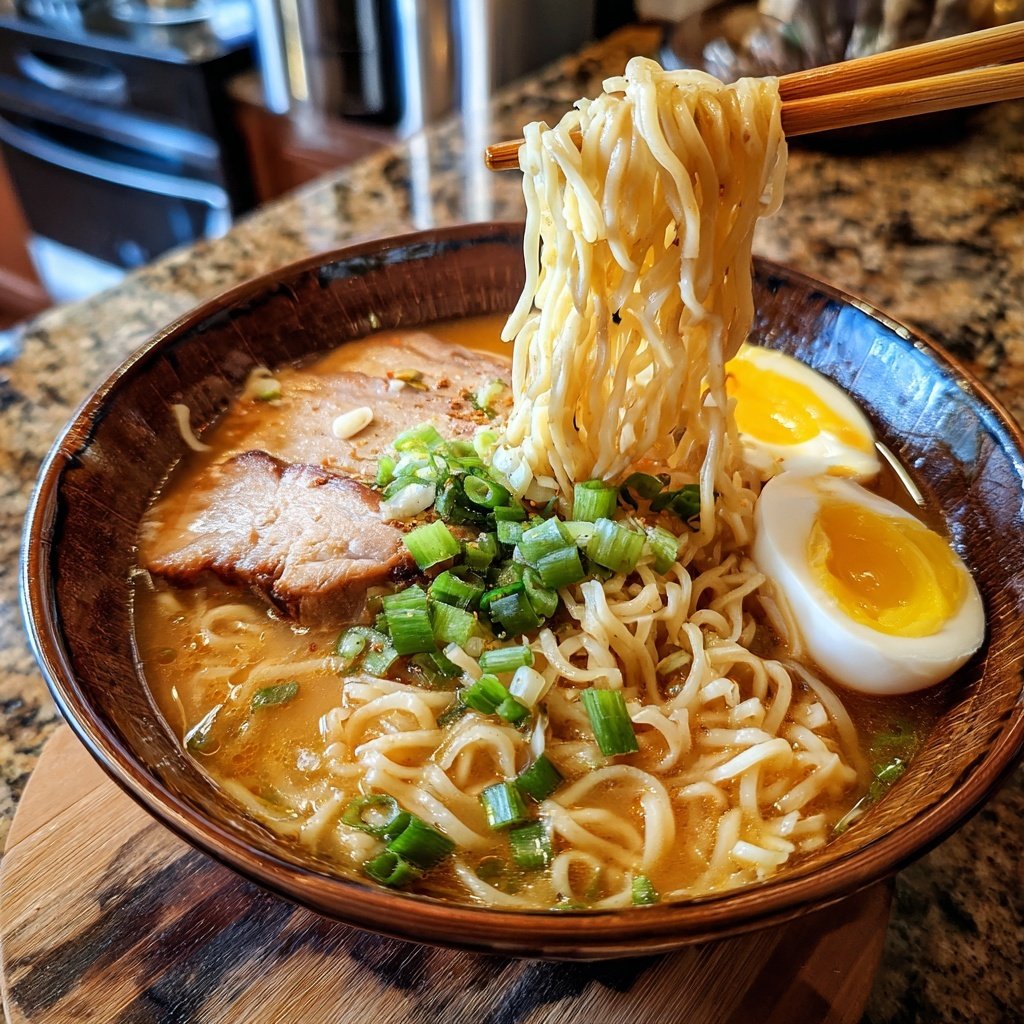
Presentation is also key when serving ramen. Layer your toppings artfully and consider using beautiful bowls for an aesthetic touch. A well-presented bowl of ramen can elevate the dining experience, making it feel like a special occasion, even on a regular weeknight. Remember, the joy of homemade ramen lies not just in the taste, but in the entire experience of creating and savoring it.
Ingredients
Ramen Broth
- 4 cups chicken or vegetable broth
- 1 tablespoon soy sauce
- 1 tablespoon miso paste
- 1 teaspoon sesame oil
- 2 cloves garlic, minced
- 1-inch piece ginger, sliced
Noodles and Toppings
- 200g ramen noodles
- 2 green onions, sliced
- 1 soft-boiled egg, halved
- 1 cup bok choy, chopped
- 1 sheet nori, cut into strips
- Sesame seeds for garnish
Feel free to add any additional toppings you love, such as mushrooms or corn.
Instructions
Prepare the Broth
In a large pot, combine the chicken or vegetable broth, soy sauce, miso paste, sesame oil, garlic, and ginger. Bring to a simmer over medium heat and let it cook for about 20 minutes to develop flavors.
Cook the Noodles
While the broth simmers, cook the ramen noodles according to package instructions. Drain and set aside.
Assemble the Ramen
In bowls, divide the cooked noodles and pour the hot broth over them. Top with bok choy, green onions, soft-boiled egg, nori strips, and sesame seeds.
Serve hot and enjoy your homemade ramen!
Pro Tips
- Experiment with different broths and toppings to find your perfect ramen combination.
Nutritional Benefits of Ramen
Homemade ramen can be a nutritious meal if you choose the right ingredients. By using fresh vegetables, you add essential vitamins and minerals to the dish. Bok choy, for example, is rich in vitamins A, C, and K, making it a great addition to your bowl. Plus, the combination of protein from the egg and the carbohydrates from the noodles provides a balanced meal.
Moreover, making your own ramen allows you to control the sodium content, which can often be high in store-bought versions. By adjusting the soy sauce and miso paste to your preference, you can create a healthier version of this beloved dish. This makes homemade ramen a guilt-free indulgence that can be enjoyed regularly without compromising on health.
Exploring Ramen Variations
Once you've mastered the basic recipe, consider exploring various ramen styles to keep things exciting. Shoyu ramen, for instance, features a soy sauce-based broth, while tonkotsu ramen is known for its rich, creamy pork broth. Each style offers unique flavors and textures, inviting you to experiment with different techniques and ingredients.
Don’t hesitate to try international influences as well. Adding spices like chili oil or miso can introduce a unique twist to your ramen. You can also play with the protein options, substituting traditional ingredients with tofu or grilled chicken for a lighter version. The world of ramen is vast, and each bowl can tell a different story!
Storing and Reheating Leftovers
If you find yourself with leftover ramen, storing it properly is essential to maintain its quality. Keep the broth separate from the noodles to prevent them from becoming mushy. Store the broth in an airtight container in the refrigerator for up to three days and enjoy the noodles fresh within a day. This way, you can reheat the broth and cook a fresh batch of noodles for a quick meal.
When reheating, gently warm the broth on the stove and cook the noodles separately according to package instructions. Combine them in a bowl and top with your favorite ingredients to bring the flavors back to life. This method ensures that your homemade ramen tastes just as delicious as when it was first made!
Questions About Recipes
→ Can I use store-bought broth?
Yes, using store-bought broth can save time, but homemade broth enhances the flavor.
→ How do I make the perfect soft-boiled egg?
Boil eggs for 6-7 minutes, then transfer to an ice bath to stop cooking.
→ What other toppings can I add?
You can add sliced mushrooms, corn, or even spicy kimchi for an extra kick.
→ Can I make this vegan?
Yes, use vegetable broth and omit the egg for a delicious vegan ramen.
Homemade Ramen
Created by: Lila Morgan
Recipe Type: International Table Stories
Skill Level: Intermediate
Final Quantity: 4 servings
What You'll Need
Ramen Broth
- 4 cups chicken or vegetable broth
- 1 tablespoon soy sauce
- 1 tablespoon miso paste
- 1 teaspoon sesame oil
- 2 cloves garlic, minced
- 1-inch piece ginger, sliced
Noodles and Toppings
- 200g ramen noodles
- 2 green onions, sliced
- 1 soft-boiled egg, halved
- 1 cup bok choy, chopped
- 1 sheet nori, cut into strips
- Sesame seeds for garnish
How-To Steps
In a large pot, combine the chicken or vegetable broth, soy sauce, miso paste, sesame oil, garlic, and ginger. Bring to a simmer over medium heat and let it cook for about 20 minutes to develop flavors.
While the broth simmers, cook the ramen noodles according to package instructions. Drain and set aside.
In bowls, divide the cooked noodles and pour the hot broth over them. Top with bok choy, green onions, soft-boiled egg, nori strips, and sesame seeds.
Extra Tips
- Experiment with different broths and toppings to find your perfect ramen combination.
Nutritional Breakdown (Per Serving)
- Calories: 450 kcal
- Total Fat: 12g
- Saturated Fat: 2g
- Cholesterol: 70mg
- Sodium: 1000mg
- Total Carbohydrates: 68g
- Dietary Fiber: 4g
- Sugars: 3g
- Protein: 18g