Baking & Desserts Classic Vanilla Butter Cake
Highlighted under: Sweet Oven Magic
I love baking, and this Classic Vanilla Butter Cake is one of my all-time favorites! Its rich flavor and moist texture make it perfect for any occasion, whether it's a birthday party or an afternoon tea. I enjoy experimenting with different frostings and fillings, but the basic recipe stands strong on its own. In less than an hour, you can have a delightful cake ready to impress your family and friends. Let’s dive into this recipe and bring some warmth to your kitchen!
When I first tried making this Vanilla Butter Cake, I was amazed by how simple the ingredients were yet how delicious the end result turned out. Each bite is a soft and buttery piece of heaven that has become a staple dessert in my household.
One crucial tip I learned is to ensure all your ingredients are at room temperature before mixing; this helps achieve a lovely, fluffy texture. For an extra touch, I love garnishing it with fresh berries or a drizzle of chocolate sauce!
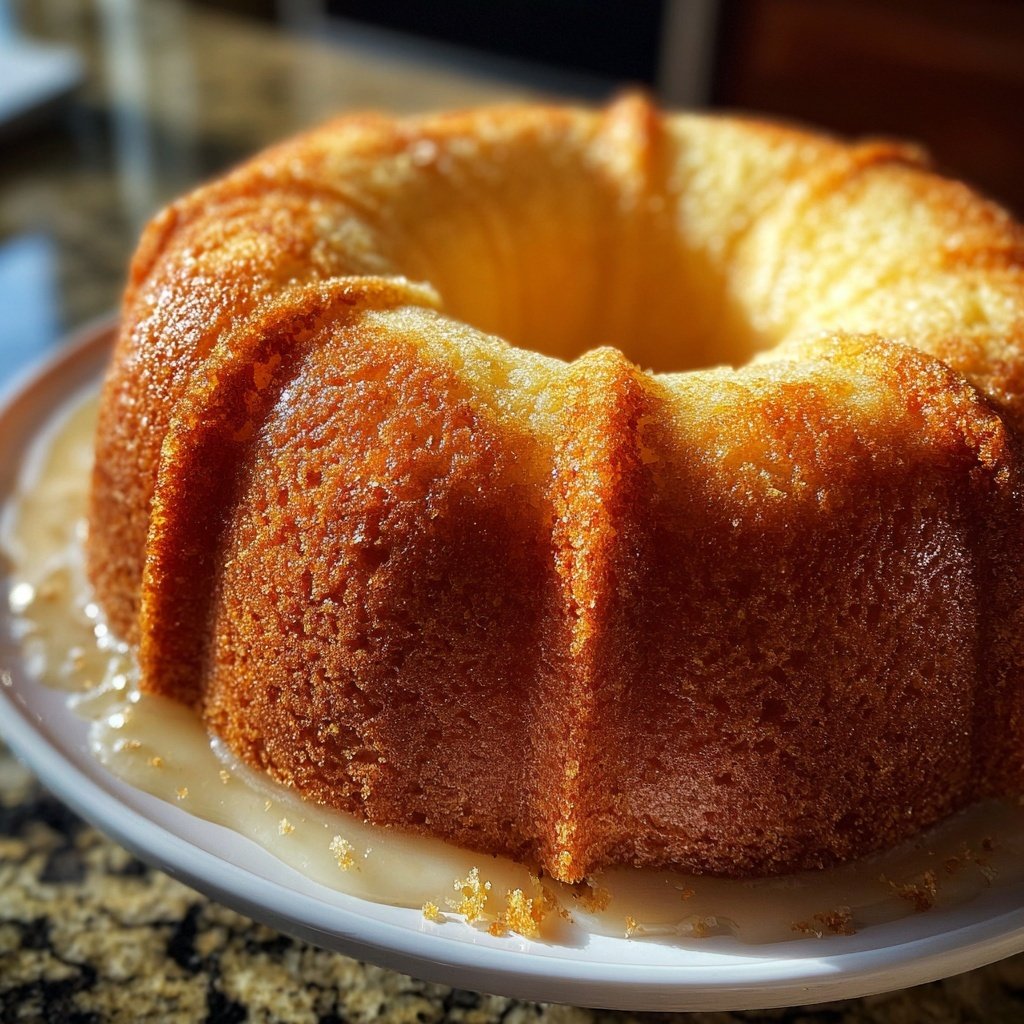
Why You'll Love This Cake
- Classic flavor that everyone adores
- Easy to make with minimal ingredients
- Perfect base for any frosting or filling
Mastering the Technique
When making this Classic Vanilla Butter Cake, the technique of creaming butter and sugar is crucial. This process incorporates air into the mixture, resulting in a light and fluffy cake. Be sure to cream the butter until it is pale and fluffy—this can take about 3-5 minutes using a stand mixer. If your butter is too soft, it won’t whip as effectively, leading to a denser cake. Aim for a consistency that is almost whipped cream-like before moving to the next step.
Incorporating the eggs properly is equally important for achieving the desired texture. Add them one by one and wait until each is fully blended before adding the next. This not only helps to maintain the emulsion but also ensures that your cake rises evenly. If you find the batter is too thick after adding the final egg, a splash of milk can help loosen it without altering the flavor.
When combining dry ingredients, whisking is essential to prevent clumps of baking powder and salt from forming. This ensures that your leavening agent distributes evenly throughout the batter. If you inadvertently skip this step, you may end up with pockets of dense areas in your cake. Sifting the flour can also make a noticeable difference, giving a lighter final product.
Ingredient Insights
The type of flour you use can significantly affect the texture of your cake. All-purpose flour is ideal here because it provides just the right balance of protein and starch, yielding a tender but stable crumb. If you need a gluten-free option, consider using a gluten-free all-purpose flour blend, but ensure it contains xanthan gum for proper structure.
Using room temperature ingredients is another crucial factor in achieving a perfect cake. Cold eggs and butter can lead to a lumpy batter that doesn’t mix well, affecting the cake's rise and texture. For quick warming, set your eggs in warm water for about 10 minutes and chop your butter into small pieces to soften it faster.
If you want to play with flavors, feel free to substitute the vanilla extract with almond extract for a hint of nuttiness. You can also experiment with citrus zest, like lemon or orange, which can brighten the flavor of the cake while still keeping it classic.
Storage and Serving Suggestions
Once your cake has completely cooled, store it in an airtight container at room temperature for up to three days. This helps retain its moisture. If you need to keep it for longer, consider wrapping the cooled cake in plastic wrap and freezing it for up to three months. Thaw overnight in the refrigerator for the best texture.
Serving your cake is versatile; think about layering it with your favorite frosting between each layer for added height and flavor. A simple buttercream or cream cheese frosting makes a fantastic pairing. For added texture, consider adding fresh fruit or a fruit compote between the layers or as a topping for a refreshing contrast.
To elevate the presentation, dust the top with powdered sugar or drizzle a glaze made from powdered sugar and milk. This simple addition can enhance both the flavor and appearance. If you want to dress it up, consider garnishing with edible flowers or fresh berries, adding a pop of color and freshness.
Ingredients
Ingredients for Classic Vanilla Butter Cake
Cake Ingredients
- 1 ½ cups all-purpose flour
- 1 cup unsalted butter, softened
- 1 cup granulated sugar
- 4 large eggs, at room temperature
- 2 teaspoons vanilla extract
- 2 teaspoons baking powder
- ½ teaspoon salt
- ½ cup milk, at room temperature
Make sure to measure the ingredients accurately for the best results.
Instructions
How to Make Classic Vanilla Butter Cake
Preheat the Oven
Preheat your oven to 350°F (175°C). Grease and flour a 9-inch round cake pan.
Cream the Butter and Sugar
In a large bowl, cream together the softened butter and sugar until light and fluffy.
Add the Eggs
Beat in the eggs one at a time, ensuring each is fully incorporated before adding the next. Stir in the vanilla extract.
Combine Dry Ingredients
In a separate bowl, whisk together the flour, baking powder, and salt.
Mix Ingredients
Gradually add the dry ingredients to the wet mixture, alternating with the milk, and mix until just combined.
Bake the Cake
Pour the batter into the prepared cake pan and bake for 30-35 minutes or until a toothpick inserted into the center comes out clean.
Cool and Serve
Let the cake cool in the pan for 10 minutes, then turn it out onto a wire rack to cool completely before frosting.
Enjoy your delicious cake with your favorite toppings!
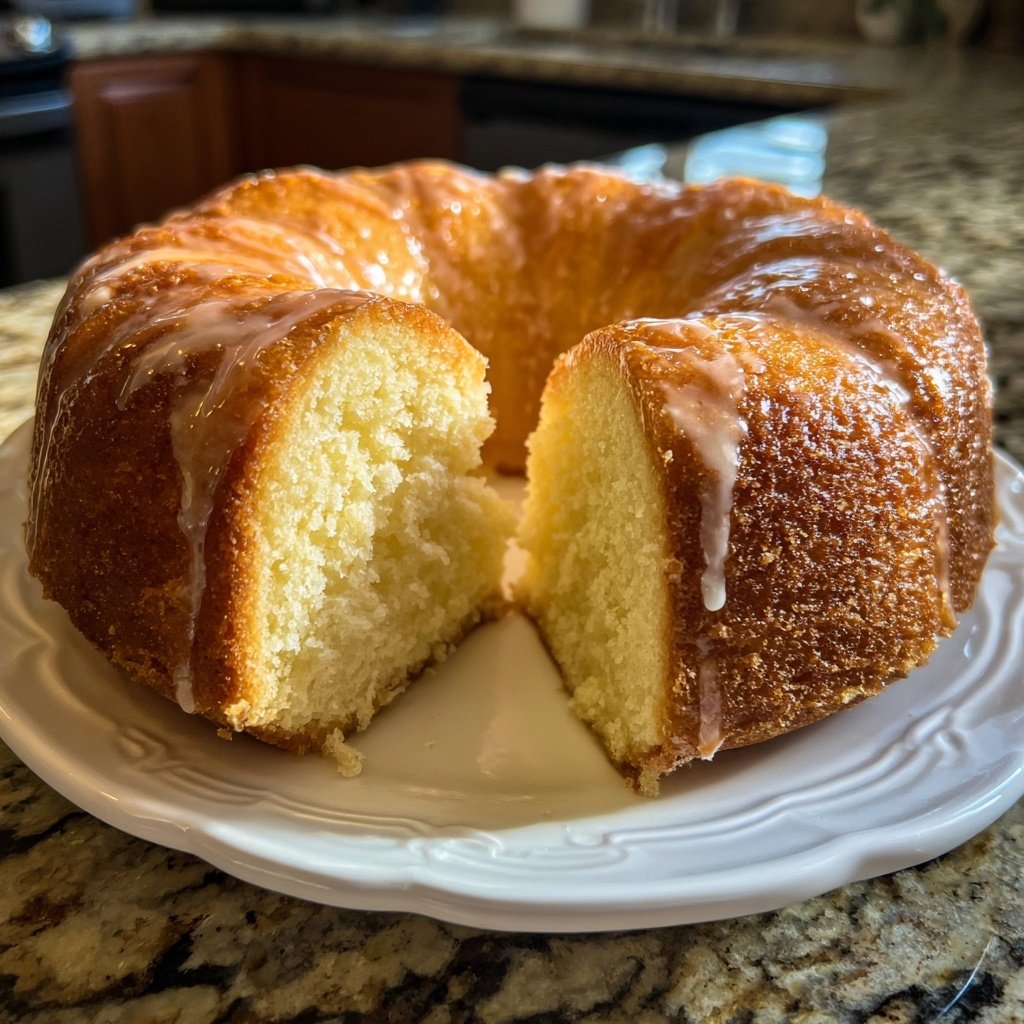
Pro Tips
- For a richer flavor, consider adding a tablespoon of sour cream to the batter.
Troubleshooting Tips
If your cake sinks in the middle, it could be due to underbaking or overmixing. Always use a toothpick to check for doneness; it should come out clean or with just a few moist crumbs. If you find that your cake consistently sinks, double-check your oven temperature with an oven thermometer as it may run cooler than indicated.
Dome-shaped cakes can occur if the oven temperature is too high. Ensure that your oven is calibrated correctly, and consider lowering the temperature by 25°F (10°C) and extending the baking time slightly to allow for a more even rise.
For a slightly dry cake, be cautious with the flour measurement. Even minor discrepancies can affect moisture levels. Consider spooning the flour into the measuring cup rather than scooping it directly, which can compact it and lead to excess flour in your batter.
Scaling the Recipe
If you need a larger cake for a special occasion, this recipe can easily be doubled to fit into two 9-inch cake pans for a layered cake. Just make sure to adjust the baking time slightly, checking for doneness around the same 30-35 minute mark, but be mindful that larger batters can take a bit longer, depending on your oven.
For smaller gatherings, you can cut the recipe in half to use just one 6-inch round cake pan. Remember that smaller cakes may bake faster, so keep an eye on the clock. Checking 5-10 minutes before the suggested time is wise to avoid overbaking.
Consider using a scale for more precise measurements, especially when scaling up or down. This ensures an accurate ratio of ingredients, particularly for baking powder and flour, crucial for achieving the right texture and flavor profile.
Questions About Recipes
→ Can I use self-rising flour instead of all-purpose flour?
Yes, if you use self-rising flour, omit the baking powder.
→ How can I store leftover cake?
You can wrap it tightly in plastic wrap and store it at room temperature for 2-3 days.
→ Can I freeze the cake?
Yes, you can freeze the cake by wrapping it in plastic wrap and then aluminum foil for up to three months.
→ What frosting pairs well with this cake?
Vanilla buttercream or chocolate ganache complements this cake beautifully!
Baking & Desserts Classic Vanilla Butter Cake
Created by: Lila Morgan
Recipe Type: Sweet Oven Magic
Skill Level: Beginner
Final Quantity: 8 servings
What You'll Need
Cake Ingredients
- 1 ½ cups all-purpose flour
- 1 cup unsalted butter, softened
- 1 cup granulated sugar
- 4 large eggs, at room temperature
- 2 teaspoons vanilla extract
- 2 teaspoons baking powder
- ½ teaspoon salt
- ½ cup milk, at room temperature
How-To Steps
Preheat your oven to 350°F (175°C). Grease and flour a 9-inch round cake pan.
In a large bowl, cream together the softened butter and sugar until light and fluffy.
Beat in the eggs one at a time, ensuring each is fully incorporated before adding the next. Stir in the vanilla extract.
In a separate bowl, whisk together the flour, baking powder, and salt.
Gradually add the dry ingredients to the wet mixture, alternating with the milk, and mix until just combined.
Pour the batter into the prepared cake pan and bake for 30-35 minutes or until a toothpick inserted into the center comes out clean.
Let the cake cool in the pan for 10 minutes, then turn it out onto a wire rack to cool completely before frosting.
Extra Tips
- For a richer flavor, consider adding a tablespoon of sour cream to the batter.
Nutritional Breakdown (Per Serving)
- Calories: 380 kcal
- Total Fat: 26g
- Saturated Fat: 15g
- Cholesterol: 195mg
- Sodium: 85mg
- Total Carbohydrates: 32g
- Dietary Fiber: 3g
- Sugars: 24g
- Protein: 6g